The Future of Smart Homes: What to Expect and How to Prepare
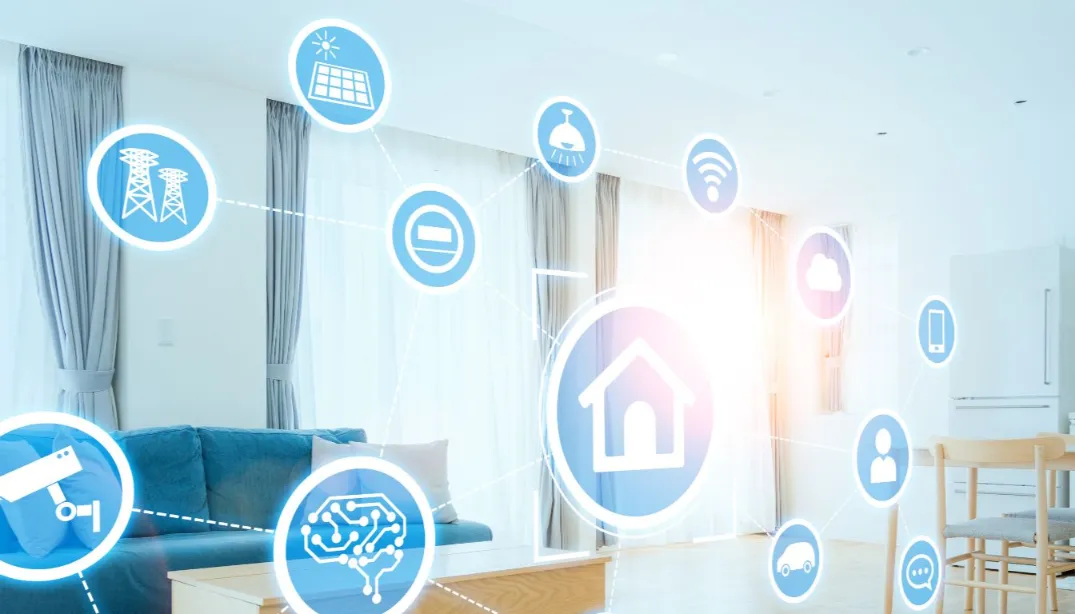
Imagine a home that anticipates your needs! Get ready, because according to Statista, by 2028, there will be over 785 million smart home users worldwide. That’s a massive jump from the 300 million users today! This surging popularity hints at a future brimming with exciting smart home advancements. Let’s dive into what awaits!
Key Takeaways
• Get ready for super-smart homes! By 2028, there will be tons of them, with fancy gadgets that make your life easier and more enjoyable.
• Imagine talking to your fridge or lights! Voice control will be everywhere, letting you command your home with just your words.
• Forget adjusting the thermostat! Coming soon are smart homes that automatically learn your habits and adjust to your needs, like a super-smart personal assistant for your house!

The Evolution of Smart Homes
From Simple Automation to AI Integration
Smart homes have advanced from simple automations like setting timers for lights and thermostats. Today, homes are beginning to learn our habits and preferences through AI integration. Imagine your home adjusting the temperature based on your routine. Picture it playing your favorite music as you walk through the door. This level of personalization was once science fiction, but now it’s becoming real.
Advancements in machine learning and AI technologies make this possible. These systems analyze data from various sensors and devices. They provide a personalized experience. For example, your smart home can learn when you usually wake up. It will start brewing your coffee at the perfect time. This AI integration makes life more convenient and efficient. It saves energy and reduces costs.
The Role of IoT in Smart Homes
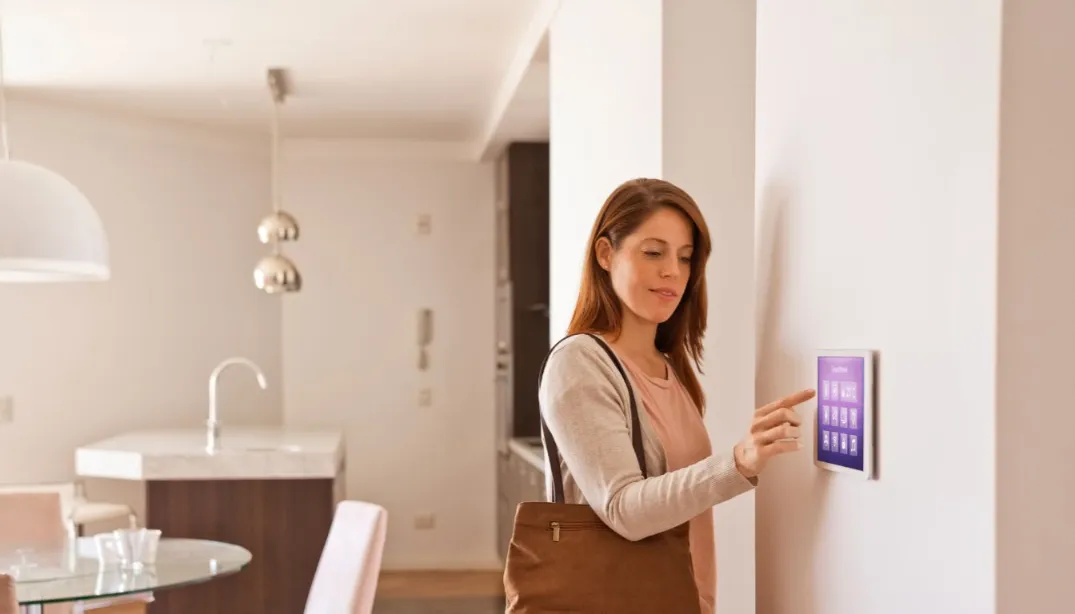
The Internet of Things (IoT) is crucial for smart homes. IoT is a network of interconnected devices that communicate to automate tasks. In a smart home, these devices include smart thermostats, lights, security cameras, and kitchen appliances. They work together to enhance the living experience.
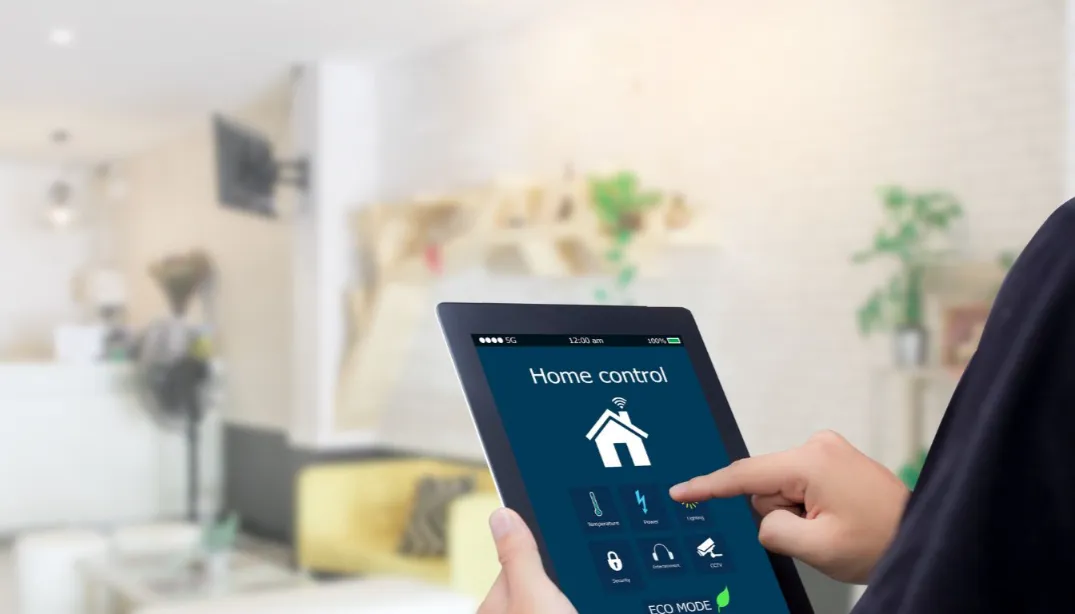
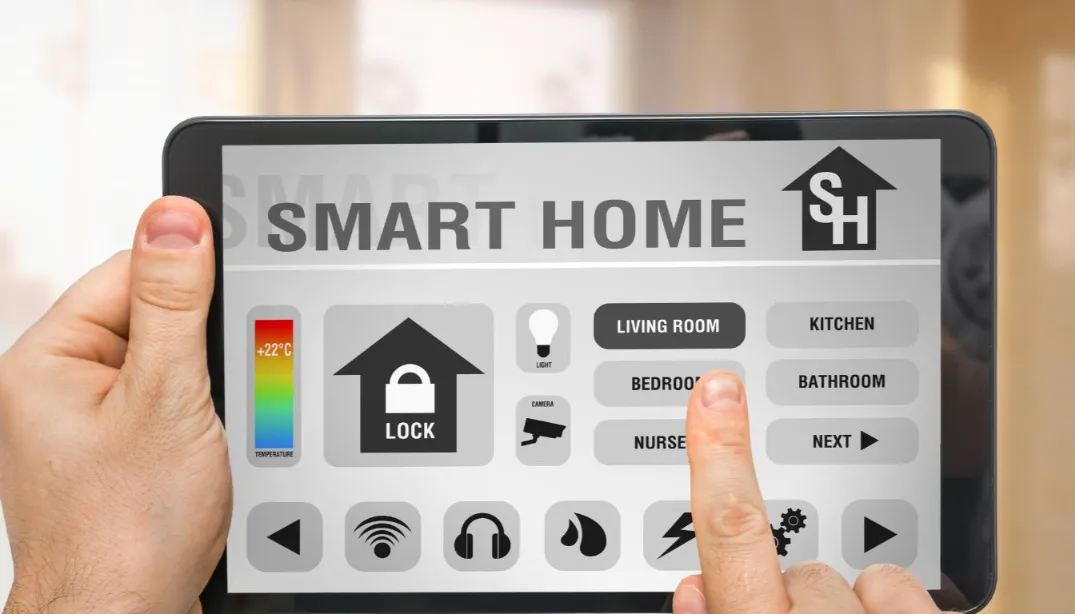
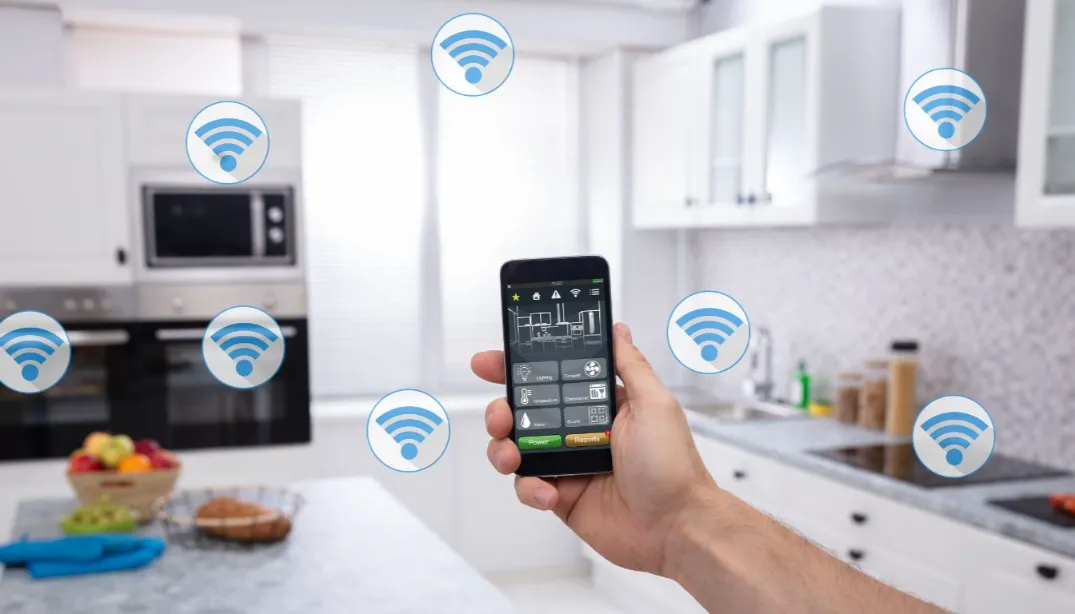
One significant benefit of IoT in smart homes is controlling everything from a single interface. You can manage all your smart devices through a smartphone app or a voice assistant like Alexa or Google Home. This interconnectedness adds convenience. It also improves home security by allowing remote monitoring.
Smart Home Features and Benefits
Voice-controlled everything
Command your lights, thermostat, and even your coffee maker with just your voice! No more scrambling for buttons—perfect for busy mornings or movie nights.
Smart appliances
Imagine an oven that preheats itself when you start prepping dinner. Picture a fridge that reorders groceries when you're running low. Smart appliances will learn your habits and make life smoother.
Automated routines
Feeling forgetful? Set up smart routines. Adjust lights, lock doors, and set the thermostat automatically. Have peace of mind and save energy when you leave or come home.
Security systems with smarts
Security cameras can distinguish between a delivery person and a stranger. Doorbells allow you to see and talk to visitors from your phone. Smarter security keeps you safe.
Personalized experiences
Smart homes will learn your preferences. Imagine the lights adjusting to the perfect brightness for reading or watching a movie. Picture a sound system playing your favorite tunes when you walk in the door.

Top Tech Companies Developing the Future of Smart Homes (2024)
| Company | Known for | Focus in Smart Homes |
|---|---|---|
| Nest thermostats and smart speakers | Voice control and AI-powered automation | |
| Amazon | Alexa, voice assistant | Smart speaker integration and expanding device compatibility |
| Samsung | Smart TVs and appliances | Connecting a wide range of Samsung devices for a seamless experience |
| Apple | HomeKit platform | Focus on user privacy and security in smart home technology |
| ADT | Security systems | Integrating smart security features with traditional monitoring |
Key Features of Future Smart Homes
Enhanced Security Systems
Security is a top priority for any homeowner. Future smart homes will enhance this with advanced security systems. These will include facial recognition, biometric sensors, and real-time alerts. Together, these features will protect your home at all times. For example, facial recognition can identify family members and grant them access while keeping intruders out.
Smart security systems will also integrate with other devices in your home. Imagine your security system detecting unusual activity and automatically locking all doors, turning on lights, and alerting the authorities. This integration offers a comprehensive security solution that is far superior to traditional systems.
Energy Efficiency and Sustainability
One of the most exciting aspects of future smart homes is their focus on energy efficiency and sustainability. Smart homes will have devices that monitor energy usage and suggest ways to reduce consumption. For instance, smart thermostats can learn your schedule and adjust the temperature accordingly. This saves energy when you’re not home. Similarly, smart lighting systems can turn off lights in empty rooms, reducing unnecessary electricity use.
Future smart homes will also likely incorporate renewable energy sources like solar panels and wind turbines. These systems will reduce your carbon footprint and lower your energy bills. By combining smart technology with sustainable practices, future smart homes will contribute to a greener planet.
Comparison of Traditional vs. Smart Homes
| Feature | Traditional Home | Smart Home |
|---|---|---|
| Security | Basic locks and alarms | Facial recognition, biometric sensors, and real-time alerts |
| Energy Efficiency | Manual control of devices | Automated energy management, smart thermostats, and smart lighting |
| Convenience | Limited automation | IoT integration, smart assistants |
| Sustainability | Dependent on user actions | Renewable energy sources and energy monitoring systems |
The Role of Smart Assistants
Voice Control and Convenience
Voice assistants like Alexa, Google Home, and Siri are now essential in smart homes. These devices let you control various home aspects using simple voice commands. You can turn off the lights, play music, or check the weather conveniently.
In the future, voice assistants will become more advanced.
They will understand context and perform complex tasks. For example, saying, “I’m going to bed,” could make your assistant turn off all lights, lock the doors, and set the alarm. This brings unparalleled convenience and makes home management easy.
Integration with Other Devices
Smart assistants will keep evolving and integrating with more devices. Smart fridges will create shopping lists. Smart mirrors will display your schedule. The possibilities are endless. This integration will make living environments more cohesive and efficient.
Future smart assistants will communicate with each other. This will create a network of devices that work together seamlessly. It will enable more complex automation and ensure that all your devices work in harmony.
Personalization and Customization
Smart Home Ecosystems
Future smart homes will offer a personalized ecosystem, allowing you to select devices that suit your needs. For fitness enthusiasts, this means integrating smart gym equipment and health monitors. Smart homes also learn your habits, automatically adjusting settings like room temperature to match your preferences, ensuring your home aligns with your lifestyle.
User-Friendly Interfaces
As smart homes advance, user-friendly interfaces become vital. Future smart homes will have intuitive interfaces, making device management easy for all, whether via a smartphone app or voice assistant. Additionally, AR and VR technologies may be integrated, allowing users to control their smart home through an AR headset for a more immersive experience.
Preparing Your Home for the Future
Upgrading Your Current Devices
To future-proof your home, upgrade to smart devices: install a smart thermostat, smart lighting, and smart security systems. These updates add convenience and increase home value.
It’s also essential to ensure that your smart devices are compatible with each other. Look for devices that support common platforms like Alexa, Google Home, or Apple HomeKit. This will ensure that your devices can communicate and work together seamlessly.
Staying Informed About New Technologies
The smart home tech world is ever-evolving. Stay informed by following tech blogs, subscribing to newsletters, and joining forums. Attend tech events and expos to see new products and innovations firsthand, helping you make informed upgrade decisions.
Conclusion: Embracing the Future of Smart Homes
The future of smart homes is incredibly exciting. There are endless possibilities for convenience, security, and sustainability. By understanding key features and preparing your home, you can fully enjoy the benefits of smart home technology.
Enhanced security systems, energy-efficient devices, and personalized ecosystems promise to make our lives easier and more enjoyable.
Are you ready to embrace the future of smart homes? Start by upgrading your current devices. Stay informed about new technologies. Create a personalized smart home ecosystem that meets your needs. The future is bright, and your smart home is ready to make your life better.
By following these guidelines and implementing the latest smart home technologies, you’ll be well on your way to creating a future-proof home that offers unparalleled convenience, security, and sustainability. Embrace the future of smart homes and enjoy the countless benefits that come with it.